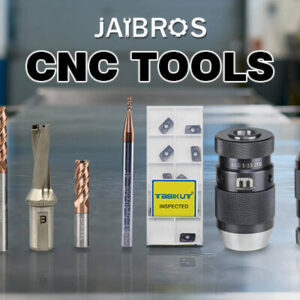
Durable CNC Turning Inserts Built for Precision Machining
In modern manufacturing, precision and efficiency are paramount. The evolution of machining technologies has continually pushed the boundaries of what is possible, enabling manufacturers to produce parts with incredible accuracy at high volumes. A crucial component in this landscape is the humble yet essential insert CNC turning tool — a small part with a significant impact on the success of any turning operation. Durable CNC turning inserts are engineered to withstand the demands of high-speed machining, deliver exceptional surface finishes, and maintain tolerances in even the most challenging materials.
What Are CNC Turning Inserts?
At its core, a turning insert is a replaceable cutting tip used in CNC lathes and turning centres. These inserts are mounted on tool holders and engage rotating workpieces to remove material through cutting. Unlike traditional one-piece tools, inserts can be indexed — meaning once a cutting edge wears, the insert can be rotated to a fresh edge or replaced entirely. This modularity reduces tooling costs, improves uptime, and ensures consistent performance.
CNC turning inserts are fabricated from advanced materials, including carbide, ceramic, cubic boron nitride (CBN), and polycrystalline diamond (PCD). Each material offers specific advantages — from toughness and wear resistance to heat tolerance — catering to diverse machining applications.
The Importance of Durability in Turning Inserts
Durability in turning inserts isn’t just about longevity; it’s about reliability, stability, and precision. Durable inserts maintain their cutting geometry over extended production runs, reducing variations in part dimensions and surface finish. Wear-resistant coatings, optimised chip breakers, and stable substrate materials all contribute to insert durability.
For high-precision machining environments, durable turning inserts translate to:
- Consistent part quality
- Reduced machine downtime
- Lower tooling costs
- Improved process stability
Without durable inserts, manufacturers risk frequent tool changes, increased scrap rates, and compromised productivity.
Understanding Insert Tool Types
A wide range of insert tool types exists to address various machining challenges. The selection depends on factors such as workpiece material, desired surface finish, cutting speed, and depth of cut. Below are standard insert tool classifications used in turning applications:
1. Square Inserts
Square inserts have four cutting edges that can be rotated as they wear. They are versatile and well-suited for general-purpose turning, facing, and light-to-medium cuts.
2. Triangle Inserts
Triangle-shaped inserts provide three cutting edges and are suitable for roughing and semi-finishing tasks. Their shape supports intense cutting action and effective chip control.
3. Diamond Inserts
With acute angles, diamond-shaped inserts (often 55° or 80°) are ideal for precision finishing and profiling. They excel in narrow features, threading, and fine contouring.
4. Round Inserts
Round inserts offer a strong cutting edge capable of handling heavy cuts and interrupted cuts. Their geometry provides excellent strength and longevity, but limits entry angles compared to other shapes.
5. Special Geometry Inserts
This category includes proprietary designs tailored to specific materials or applications, such as high-feed, high-speed, or deep profiling. These inserts may feature advanced chip breakers, multi-radius corners, or hybrid shapes optimised for performance.
Exploring Turning Insert Types by Material
Turned components vary widely, from soft aluminium to hardened steels and exotic alloys. The choice of turning insert types by material significantly influences machining efficiency and tool life.
Carbide Inserts
Carbide remains the most widely used material for turning inserts due to its excellent balance of toughness and wear resistance. Carbide inserts can operate at high cutting speeds and are suitable for a wide variety of steels, stainless steels, and cast irons.
Ceramic Inserts
Ceramic turning inserts are engineered for high-temperature stability and exceptional wear resistance. They thrive in high-speed finishing of hardened materials but require rigid setups due to their relative brittleness.
CBN Inserts
Cubic Boron Nitride inserts are second only to diamond in hardness, making them ideal for hardened steel turning (>45 HRC). CBN tools deliver superior life and surface finishes in finishing turning applications.
PCD Inserts
Polycrystalline Diamond inserts are best suited for non-ferrous materials like aluminium, brass, and composites. PCD offers unmatched wear resistance and surface quality, but must be used with rigid setups and appropriate feeds.
Benefits of Using Durable CNC Turning Inserts
Durable CNC turning inserts provide a broad range of advantages that contribute to improved machining performance across industries:
Improved Productivity
Durable inserts reduce the frequency of tool changes and machine stoppages. This leads to higher throughput and shorter cycle times—essential for both high-volume production and just-in-time manufacturing environments.
Superior Surface Finish
Stable insert geometries and wear-resistant materials ensure smooth cutting action, producing consistent surface finishes. This limits the need for secondary finishing operations, saving time and resources.
Lower Operational Costs
Though high-quality inserts may have a higher upfront cost, their longer service life and reduced downtime lower overall tooling expenses. Fewer insert changes mean less labour and machine idle time.
Enhanced Process Reliability
Durable inserts perform consistently, enabling predictable machining outcomes. This reliability is critical when working with tight tolerances or high-value parts where precision is non-negotiable.
Flexibility Across Materials
With a variety of insert materials and geometries available, manufacturers can tailor their tooling setups to specific workpiece requirements — whether roughing stainless steel or finishing exotic alloys.
Matching Insert Selection to Machining Goals
Selecting the right turning insert requires balancing multiple factors. Here’s how to approach insert selection strategically:
Understand the Workpiece Material
Each material behaves differently under cutting forces. Soft materials may require different rake angles or coatings compared to hardened steels. For example, aluminium often benefits from PCD inserts, whereas hardened steels require CBN.
Determine the Cutting Parameters
Cutting speed, feed rate, and depth of cut influence insert performance. Durable inserts with advanced coatings allow higher cutting speeds and increased productivity.
Consider the Desired Surface Finish
Finishing operations often require inserts with a sharper geometry and finer edge, whereas roughing may prioritise strength over finish quality.
Assess Machine Capabilities
Not all machines can handle aggressive cutting parameters. Ensuring compatibility between insert choice and machine rigidity helps prevent chatter and suboptimal performance.
Innovations in Turned Insert Design
The tooling industry continues to innovate, bringing advancements that enhance durability and precision machining:
- Multi-layered coatings improve wear resistance and reduce friction.
- Proprietary substrate blends balance toughness and heat resistance.
- Advanced chip breaker designs optimise chip flow, reducing heat and tool wear.
- Edge preparation techniques such as honing and micro-grinding improve edge strength and longevity.
These innovations extend the life of turning inserts and improve machining outcomes across diverse applications.
Best Practices for Turning Insert Performance
To maximise the performance of durable CNC turning inserts, adopt best practices on the shop floor:
- Use appropriate coolant and lubrication to manage heat and chip evacuation.
- Monitor tool wear and replace inserts proactively before quality degrades.
- Optimise toolpaths and feeds to ensure consistent cutting conditions.
- Maintain machine rigidity to prevent vibration and ensure insert longevity.
Regular training for operators in insert handling and machine setup also ensures that tooling investments deliver expected value.
Application Spotlight: Aerospace Machining
In aerospace manufacturing, precision and reliability are critical. Components such as landing gear parts, engine shafts, and structural elements require tight tolerances and exceptional surface quality. Durable CNC turning inserts play a vital role in meeting these demands, offering:
- High accuracy for critical dimensions
- Long tool life in difficult-to-machine alloys like Inconel
- Stable performance across complex profiles
By leveraging advanced insert types and optimised cutting strategies, aerospace manufacturers achieve superior results while managing costs effectively.
Application Spotlight: Automotive Production
The automotive industry relies on high-volume, high-speed turning operations for components such as axles, steering components, and engine components. Durable turning inserts enable:
- Efficient material removal for large batches
- Consistent part quality over extended production runs
- Reduced downtime through quick insert indexing
Automotive machining emphasises repeatability, making turning insert selection and performance monitoring critical to production success.
Application Spotlight: Medical Device Manufacturing
Medical devices demand precision, often in small or intricate components crafted from stainless steel or titanium. In these applications, durable CNC turning inserts offer:
- Exceptional surface finish required for biocompatibility
- Fine geometric control for small features
- Reliable performance across stainless and exotic materials
In medical machining, every insert change impacts cost and lead time, making durability a key performance metric.
Future Trends in Turning Inserts
As manufacturing continues advancing, several trends are shaping the future of turning inserts:
- Innovative tooling systems that monitor insert wear in real time
- Additive manufacturing integration for hybrid machining solutions
- Advanced coatings and microstructures for even higher speed capabilities
- AI-driven toolpath optimisation to extend tool life further
These innovations promise to enhance precision machining and augment the capabilities of turning operations across industries.
Company Bio
Jaibros is a trusted name in the CNC tooling and industrial accessories industry, known for delivering durable, high-precision solutions for modern machining needs. With a strong focus on quality, performance, and reliability, Jaibros offers a wide range of CNC tools, cutting tools, tool holders, and machine accessories designed to enhance productivity and accuracy. Backed by industry expertise and a customer-centric approach, Jaibros supports manufacturers with dependable tooling solutions that drive efficient and precise machining operations.
Conclusion
Durable CNC turning inserts are indispensable in precision machining. They enable manufacturers to achieve high productivity, superior surface finishes, and consistent part quality across a wide range of materials and applications. Understanding the variety of insert CNC turning options, exploring turning inserts by geometry and material, and applying best practices in tool selection and machining strategy are key to unlocking the full potential of turning operations.