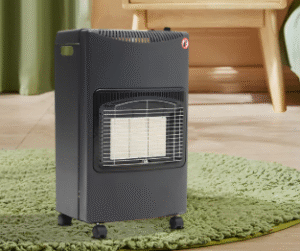
A Superser gas heater is a reliable and energy-efficient solution for water heating, especially during cold seasons. However, like any gas appliance, it requires proper care and regular maintenance to ensure safe operation, consistent performance, and a long lifespan. Many users overlook routine maintenance, which can lead to reduced efficiency, higher gas bills, frequent breakdowns, or even safety risks.
This comprehensive guide will walk you through essential Superser gas heater maintenance tips that help improve efficiency, enhance safety, and extend the life of your heater. Whether you use your gas heater daily or seasonally, following these practices will ensure long-term performance and peace of mind.
Why Superser Gas Heater Maintenance Is Important
Regular maintenance is not just about fixing problems; it is about preventing them. A well-maintained Superser gas heater delivers consistent hot water, consumes less gas, and operates safely.
Key Benefits of Regular Maintenance
-
Improves heating efficiency
-
Reduces gas consumption
-
Extends the heater’s lifespan
-
Prevents unexpected breakdowns
-
Enhances safety by minimizing gas leaks and overheating
-
Maintains consistent water temperature
Neglecting maintenance can cause carbon buildup, gas flow issues, rust formation, and ignition problems, all of which affect performance.
Understanding How a Superser Gas Heater Works
Before diving into maintenance tips, it helps to understand the basic working mechanism of a Superser gas heater.
A Superser gas heater uses gas to heat water stored in a tank or flowing through a heat exchanger. The burner ignites gas, heating the water, while a thermostat regulates temperature. A flue system safely vents exhaust gases outside.
Because gas heaters involve combustion, proper airflow, clean burners, and intact safety components are critical for efficient and safe operation.
Regular Visual Inspection
Check the Exterior Condition
Start with a simple visual inspection at least once a month. Look for signs of rust, corrosion, or water leakage on the heater’s body.
What to look for:
-
Rust patches or peeling paint
-
Water dripping from valves or joints
-
Loose or damaged panels
-
Unusual discoloration
Any visible damage should be addressed immediately to prevent further deterioration.
Clean the Burner and Ignition System
Why Burner Cleaning Matters
Over time, dust, soot, and debris accumulate on the burner, affecting flame quality and heating efficiency. A dirty burner may cause uneven heating or delayed ignition.
Maintenance Tips
-
Turn off the gas supply before cleaning
-
Use a soft brush to remove dust and soot
-
Ensure burner ports are not blocked
-
Clean the ignition electrode carefully
A clean burner ensures a steady blue flame, which is a sign of efficient combustion.
Inspect the Flame Color Regularly
Ideal Flame Color
The flame should be blue with a small yellow tip. This indicates proper gas combustion.
Warning Signs
-
Yellow or orange flames indicate incomplete combustion
-
Flickering or weak flames suggest gas flow issues
If the flame color changes, it is a sign that the burner needs cleaning or adjustment.
Check and Clean the Ventilation System
Importance of Proper Ventilation
Superser gas heaters release exhaust gases that must be vented safely. Blocked or damaged vents can cause harmful gases to accumulate indoors.
Maintenance Steps
-
Inspect the vent pipe for blockages
-
Remove dust, nests, or debris
-
Ensure the vent is securely connected
-
Check for corrosion or leaks
Good ventilation ensures safe operation and improves heater efficiency.
Monitor Gas Connections and Valves
Prevent Gas Leaks
Gas leaks are dangerous and can cause serious accidents. Regular inspection of gas connections is essential.
What to Check
-
Tightness of gas fittings
-
Condition of gas pipes
-
Smell of gas around the heater
If you notice a gas smell, turn off the gas supply immediately and seek professional assistance.
Flush the Water Tank Periodically
Why Flushing Is Necessary
Minerals and sediment from water settle at the bottom of the tank over time. This buildup reduces heating efficiency and can damage the tank.
How Often to Flush
-
At least once or twice a year
-
More frequently in areas with hard water
Flushing removes sediment, improves heating speed, and reduces strain on the burner.
Inspect the Thermostat for Accuracy
Role of the Thermostat
The thermostat controls water temperature and prevents overheating.
Maintenance Tips
-
Ensure temperature settings are correct
-
Check for inconsistent water temperatures
-
Replace faulty thermostats promptly
A malfunctioning thermostat can waste gas and damage internal components.
Check Safety Valves and Pressure Relief Valve
Why Safety Valves Matter
Safety valves protect the heater from excessive pressure and overheating.
Maintenance Checklist
-
Test the pressure relief valve occasionally
-
Ensure it opens and closes properly
-
Look for leaks around the valve
A faulty safety valve can cause serious damage or accidents if ignored.
Keep the Heater Area Clean and Clear
Proper Surroundings Improve Performance
The area around your Superser gas heater should be clean and well-ventilated.
Best Practices
-
Do not store flammable items nearby
-
Keep dust and debris away
-
Ensure adequate airflow
A clutter-free area reduces fire risk and allows the heater to function efficiently.
Listen for Unusual Noises
What Noises Indicate
Unusual sounds such as popping, rumbling, or hissing can signal internal issues.
Common Causes
-
Sediment buildup
-
Loose components
-
Gas flow irregularities
Addressing unusual noises early prevents expensive repairs later.
Schedule Professional Servicing Annually
Why Professional Maintenance Is Important
While basic maintenance can be done at home, annual professional servicing ensures a thorough inspection.
What Professionals Check
-
Gas pressure levels
-
Burner calibration
-
Internal component condition
-
Safety systems
Professional servicing helps identify hidden issues and ensures long-term reliability.
Avoid Overheating the Water
Optimal Temperature Settings
Setting the temperature too high increases gas consumption and accelerates wear.
Recommended Practice
-
Maintain moderate temperature settings
-
Adjust according to seasonal needs
Balanced temperature settings improve efficiency and prolong component life.
Protect the Heater During Off-Season
Seasonal Maintenance Tips
If the heater is not used for an extended period:
-
Turn off the gas supply
-
Drain the water tank if necessary
-
Cover the heater to prevent dust accumulation
Proper off-season care ensures smooth operation when you use it again.
Replace Worn-Out Parts on Time
Components That Wear Out
Over time, certain parts naturally degrade.
Common Replaceable Parts
-
Thermostat
-
Burner components
-
Valves and seals
Timely replacement prevents small issues from becoming major failures.
Energy Efficiency Tips for Long-Term Performance
Maintaining efficiency is key to long-term performance and cost savings.
Simple Efficiency Practices
-
Keep the heater clean
-
Insulate hot water pipes
-
Fix leaks immediately
-
Avoid unnecessary reheating
Efficient operation reduces gas bills and environmental impact.
Signs Your Superser Gas Heater Needs Immediate Attention
Be alert to warning signs that indicate serious issues:
-
Strong gas smell
-
Water not heating properly
-
Frequent pilot light failure
-
Excessive noise or vibration
-
Visible corrosion or leaks
Ignoring these signs can lead to safety hazards and costly repairs.
Common Maintenance Mistakes to Avoid
Avoid These Errors
-
Ignoring minor issues
-
Using incorrect replacement parts
-
Blocking ventilation openings
-
Skipping annual servicing
Avoiding these mistakes helps maintain optimal performance and safety.
Conclusion
Proper maintenance is the key to ensuring long-term performance, safety, and efficiency of your Superser gas heater. Regular cleaning, timely inspections, and professional servicing not only improve heating efficiency but also reduce gas consumption and prevent unexpected breakdowns. By following these Superser gas heater maintenance tips, you can extend the life of your heater, enjoy consistent hot water, and maintain a safe home environment.
Investing time in routine maintenance today will save you from costly repairs and replacements in the future. A well-maintained Superser gas heater is not just an appliance—it is a reliable companion for comfort, efficiency, and peace of mind for many years to come.
