The success of pile driving depends mostly on getting deep into the ground to hold structures steady over years. Yet when crews hit tough soil, things get trickier – planning needs extra care, tools must match the challenge, also workers require solid know-how. Out in marine construction zones, piles go down exactly right even with wild conditions such as stony seafloors, tight clay packs, or thick stubborn muck. Knowing ways past these hurdles keeps work safe while making sure what’s built lasts through weather, waves, and wear.
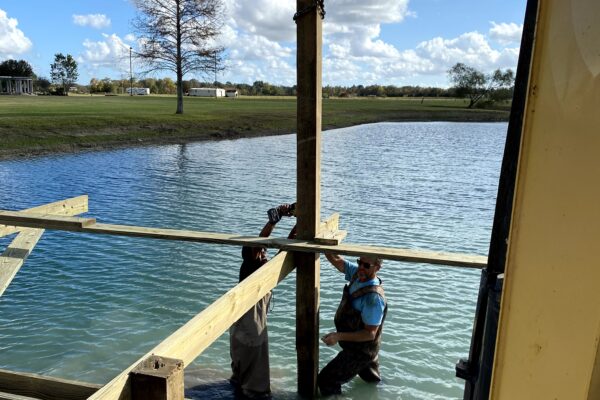
Hard Soil and Its Impact on Pile Installation
Pile setup relies on hitting solid ground deep down. If the dirt’s got tough stone, thick mud, coarse stones, or tight-packed levels, hammering posts gets tougher. Pushback creates drag, reduces speed, even stops it cold. Builders need to check how the soil acts at first to know whether basic techniques fit – or something stronger’s required.
Firm ground adds more strain on pile components. Too much pressure using wrong methods might lead to splits, warping, or lasting harm in the pile. Solid support depends not just on suitable materials but also on a smart setup approach to manage load and keep strength intact.
Pre-Construction Soil Assessment
Finding out what’s hidden underground matters when putting in piles. Because soil checks, rock studies, and push tests give builders info about how tight, firm, or deep the layers are. So those results shape which pile works best and how to set it up.
Getting ready early stops avoidable holdups or gear breaking down. This way, the crew can work out a solid base plan that fits how the land actually is. When you understand the dirt’s pushback, picking pile size, width, and build stuff becomes spot-on – way before machines show up.
Selecting Stronger and More Durable Pile Materials
On tough ground, regular timber or light builds might struggle to go deep. Instead, crews tend to pick heavy-duty steel or tough mix pilings since these handle squeeze better. What’s more, they resist rust and scrapes from rubbing – useful near shorelines or below water.
Choosing materials depends on how they’ll be installed. Because engineers look at sea depth, ground conditions, plus how heavy the build will be – they aim for strength that still allows some give. Good stuff handles bumps better, staying solid over many years.
Using Specialized Equipment for Hard Soil
Tough ground needs more than just standard pounding gear. Instead of regular methods, crews might use strong hammers or shaking machines – sometimes even drills – to reach the right depth. Shakers loosen dirt near the pile by wobbling it, so the post slips down easier without straining the structure.
Now and then, someone in charge keeps things lined up just right, especially when hitting tough layers below ground. Staying on track stops the tool from curving or drifting sideways. Today’s strong rigs come with instant feedback tech so drivers can tweak pressure and pace without delay.
Pre-Drilling and Soil Loosening Methods
One solid fix for super hard ground? Try pre-drilling. It makes a path before driving the pile, so there’s less pushback – smoother, safer work. Instead of hitting rocks or thick clay zones head-on, this method clears them out gently. Even after removing those chunks, the base still holds weight just fine.
Water jets can work in certain spots to break up muck. Using pressurized water near the pile makes it easier to push through without harsh force. That way, there’s less risk of harming the pile or the gear.
Loosening it just enough helps the pile go deep without weakening nearby dirt. That matters a lot since piles hold up big weights by gripping the ground around them.
Using Heat and Advanced Penetration Methods
In rare situations, heating helps loosen tough soil so piles go in easier. When ground’s icy or packed hard, this method works well – warming it up breaks down resistance. Heat changes the way earth holds together, making space for deep driving.
If heat isn’t enough, backup methods come into play. Instead of relying solely on temperature, crews might add mass or hammer the pile in steps. One approach follows another, keeping strain under control without skipping any depth goals.
Monitoring During Installation
Frames go into the ground, while steady checks keep things safe and exact. Instead of guessing, experts watch force levels, push strength, and how deep each piece goes. If numbers shift fast, it might mean hidden rocks, strain on parts, or that methods should change.
Good tracking stops later problems by making sure pilings stay steady once set. Strength of any building depends on what’s holding it up, yet live updates keep work on track without doubts.
Environmental Considerations in Hard Soil Conditions
Pile driving shakes up nearby areas – especially if big machines or harsh methods come into play. So crews need to stick to regional rules, cutting harm to rivers, sea creatures, or coastside buildings.
Noise, vibrations, plus rough water flow – handled with care to skip extra disruptions. Smart layout choices keep building moving without harming nearby nature or bothering locals.
Preparing for Long-Term Strength and Performance
Rocky ground might slow things down, yet it usually means better stability when piles go deep enough. Using smart methods helps buildings on tough sites stand firm for ages. When setup works well, houses, docks, bridges, or boat ramps handle storms, waves, and sinking earth without trouble.
With careful prep, solid supplies, plus smart techniques, those behind the build make sure the base lasts a very long time.
Frequently Asked Questions
Why’s tough ground tricky when putting in piles?
Ground full of stones, hard-packed mud, or thick silt pushes back strongly – this means the pile must fight harder to get through, raising chances of cracking or breaking.
How do engineers determine the best pile driving method?
By checking the ground plus designing carefully, builders pick tools and methods based on dirt type along with what the building requires.
Could stacked items get harmed when being set up?
Yep, that can happen – especially when weak stuff’s used or you push too hard without the right method. Using tougher piles helps lower the chance.
Does every tough soil job need a pilot hole first?
It doesn’t happen every time. Things like how deep the ground is, how tight it feels, or what kind of pile matters instead. When things get rough, going in with a pilot hole makes putting it down smoother and safer.
Do they think about nature when hammering piles into the ground?
Yep. Crews on site have to stick to rules that control sound levels, shaking from machinery, also disruptions near water edges or ocean life zones.