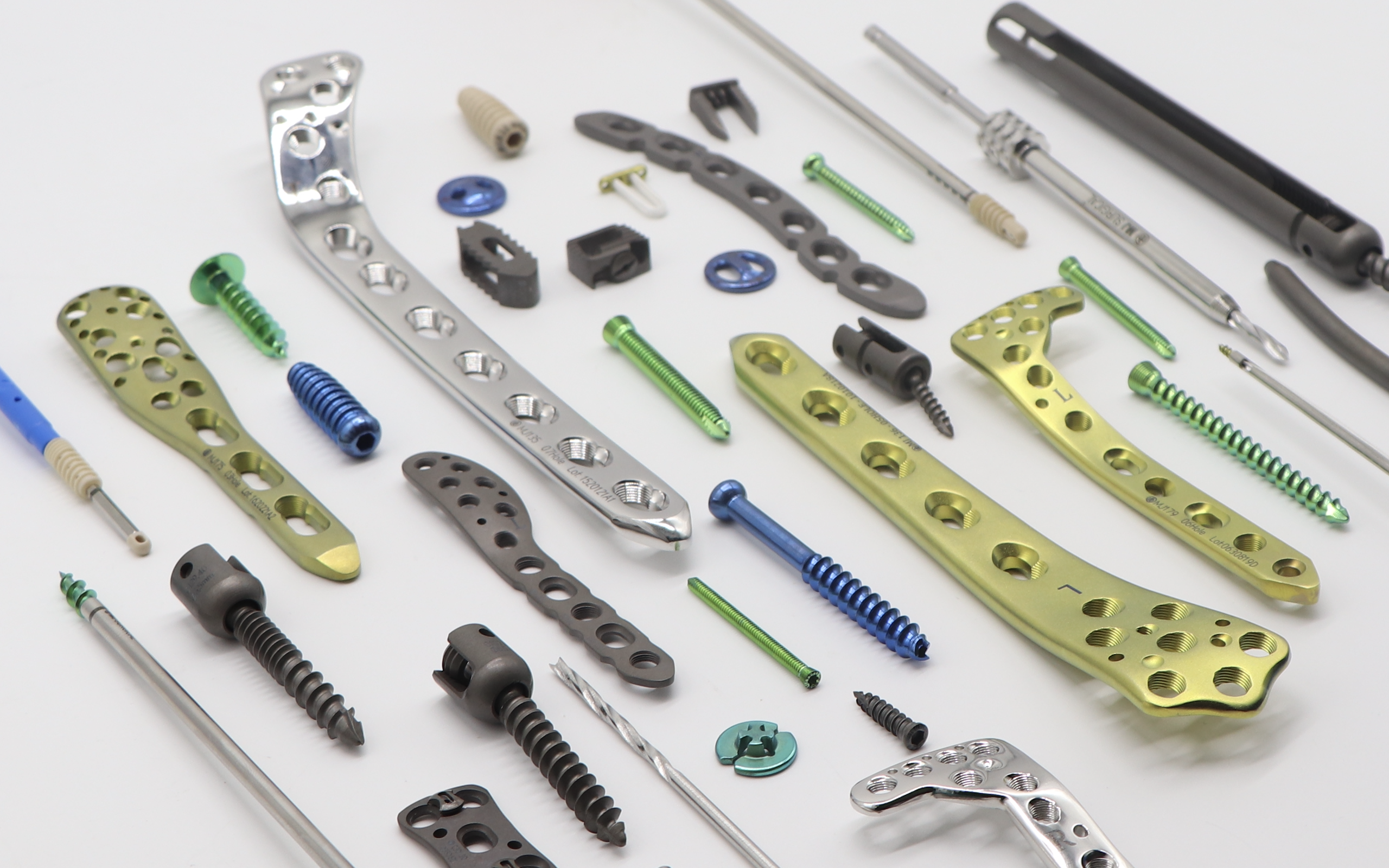
The implanting of artificial devices into the body following an injury or surgery is called “orthopedic implantation.” An orthopedic implants restores the ability to move and use your limbs as they are intended. The purpose of an orthopedic implant is to restore full range of motion to a limb, to protect the bone from re-injury, to relieve the pain associated with a joint condition and to provide support to your body’s weight bearing areas. Examples of common types of orthopedic implants include hip replacements, knee replacements, shoulder replacements, spinal reconstruction, fracture fixation devices, etc. Advances in medicine and technology have allowed for the development of orthopedic implant that provide greater structural integrity, longer lasting durability and greater compatibility with your body. This guide has everything you need to know about orthopedic implant, including what types of orthopedic implant there are, how orthopedic are made, where orthopedic implant can be used, how orthopedic implantsprovide an advantage over traditional treatment methods, and what to expect during your recovery. This guide is designed for patients, caregivers and medical professionals.
Orthopedic Implant are surgical devices implanted into the body to replace, support or stabilize bones that are damaged. Commonly used to treat fractures, arthritis, or deformities of the spine or degenerative changes of the bone and/or joint.
There are two types of Orthopedic Implant:
a) The implant will remain in the patient,
b) The implant will eventually be removed after the patient has healed.
c) The primary purpose of an orthopedic implant is to return the patient to normal function, alignment and to promote a long-term healing process.
The modern advancement of Orthopedic has been of great significance to the way musculoskeletal conditions are treated today. Many patients who previously suffered from bone and joint issues resulting in permanent disabilities or painful conditions now have the ability to regain their freedom of movement and enjoy a more active lifestyle.
There are numerous reasons for the importance of Orthopedic Implant
- Pain relief for long-ter
- Increased stability of the joint
- Faster return to rehabilitation
- Improved mobility and freedom of independence
- Assessment of deformities in bones and joints
Types of Orthopedic Implant
Orthopedic implant are divided according to how they work or where they go within the body.Orthopedic that replace joints replace the damaged areas of joints to allow the user to have full motion through their joint. Some examples of this class of implant are an artificial knee joint that can reduce the pain and increase the movement of someone with severe arthritis or a meniscus injury.
- Knee replacement implants come in two forms:
- total or partial knee joint replacement.
- These implants replace damaged bone and cartilage with artificial (synthetic) materials.
- Hip replacement implants replace damaged or missing portions of the hip joint and restore mobility to the injured hip.
- Shoulder and elbow implants are used to treat trauma and advanced osteoarthritis, and if conservative methods of treatment fail, these implant options may be necessary.
Fracture Fixation Implants
Orthopedic Implant for Fracture Fixation
Implants such as plates and screws are internal fixation devices that hold fractured bone together. The devices stabilize the fracture and help the bones heal properly.
Intramedullary Nails
An intramedullary nail is a type of internal fixation device that provides support for long-bone fractures (eg, femur, tibia) by being inserted into the bone marrow canal.
Wire and Pins
Wire and pin devices are often used to stabilize small bone fractures or for temporary fixation.
Orthopedic Spinal Implants
Orthopedic that align the spine, relieve compression on nerves and stabilise the spine.
Rods and Screws
These devices are used for fusions and corrections for spinal deformity.
Intervertebral Cages
Placed between the vertebrae, intervertebral cages help maintain the disc height and relieve discal pressure.
Orthopedic Trauma and Limb Reconstruction Implants
Limb reconstruction implants are used for the reconstruction of complex traumatic injuries and limb lengthening procedures.
Materials for Orthopedic Implant
The success of orthopedic implant is determined by the materials used in making them. Metal implants are used due to their strength and compatibility with human bones. Ceramic implants are often used in joint replacement surgeries because they provide a smooth surface and resist wear. Polymer implants, or medical grade plastic, are used in joint liners and cushions to help keep the joint lubricated.
How to Choose an Orthopedic Implant Ortho implants are selected for many reasons.
Here are some factors for selecting the right ortho implant:
- Age and Weight.
- Severity of Injury.
- Activity Level
- Bone Quality.
- General Health.
Before recommending any implant to a patient, the ortho doctor will thoroughly evaluate the patient’s medical imaging, lifestyle factors and expected post-surgical results.
The Advantages of Ortho Implants
Orthopedic benefits patients tremendously through a variety of different means.
Pain Relief.
Replacing or stabilizing the damaged joint will reduce chronic discomfort.
Increased Mobility.
Patients can return to normal daily living with regained use of their joint(s) with improved stability.
Accelerated Healing.
Ortho implants provide structural support, which aids in proper, quick healing of injured bones.
Improved Quality of Life.
Improved independence, self-confidence and physical capability.
Orthopedic implant can provide multiple benefits
including improved function and mobility, decreased pain and discomfort, and enhanced overall quality of life. However, with all surgical procedures, orthopedic implant surgery does come with the possibility of some complications that are associated with orthopedic surgery in general.
Here are the most common complications associated with orthopedic implant
Infection
- Infection around an orthopedic implant is rare, but it is still a possibility.
- Implant Loosening
- Over time, all orthopedic implants will loosen due to factors such as bone loss or the natural wear of the bone around the implant itself.
Allergic Reaction
- Some people are allergic to certain metals that are used to make orthopedic implant.
Need for Repeat Surgery
- Some orthopedic implants may require repeat surgery after a certain length of time due to wear and tear.
- Continued follow-up visits with your physician or surgeon, along with proper care after the implant surgery, can help to reduce the risk of complications associated with an orthopedic implant.
What to Expect from Orthopedic Implant Surgery
Preparation for orthopedic implant surgery will decrease fear and help with a successful recovery.
Preoperative Preparation
Medical history and x-rays will be performed prior to surgery.
Information regarding the medications you take and your overall health status will also be performed prior to surgery.
In some cases, you may be required to prepare yourself through physical conditioning (build up your strength) for surgery.
During Surgery
Orthopedic implants are placed into position using very precise techniques to ensure the stability and proper alignment of the implant into the bone.
Post-Operative Recovery
The goal of this phase of recovery is to stop the pain.
Rehabilitation
Physical therapy will help to strengthen the muscles, to improve flexibility, and to return to normal function.
Long-Term Recovery Phase
Eventually, all patients will be able to get back to all work, all physical activities, and all other day-to-day life activities under medical supervision.
Life Expectancy of Orthopedic Implant
Newer orthopedic implants are designed to last a long time (20 years plus). A joint replacement implant is specifically designed to be both durable and long-lasting for many years of postoperative care.
Read more : Affordable Knee Replacement Surgery in India: Costs & Top Hospital Guide
Conclusion
With your medical provider’s approval you will be able to exercise following surgical intervention to insert orthopedic implant. Exercise and proper physical rehabilitation are critical for successful recovery and long-term success of an orthopedic implant.
Follow-up visits, maintenance of proper body weight and compliance with normal physical rehabilitation recommendations will contribute to the long- term durability of your orthopedic implant.
FAQs
Information about orthopedic Implant
Orthopedic implants are used to treat patients with bone and joint injuries and deformities related to arthritis or degenerative diseases and to fix and replace damaged bones and/or supporting structures.
Orthopedic implants are frequently used for fracture healing.
They help hold broken bones together while they heal. They can also provide additional support to weakened bones.
An orthopedic Implant is not permanent if there is no longer a need for it.
Some orthopedic implant are intended to remain in place indefinitely (some total joint replacements), while others may be used temporarily until the fracture has healed.
The amount of time it will take to recover from a surgery that utilizes orthopedic implant can vary widely
The recovery period may vary depending on the specific type of Implant used and the patient’s overall health status at the time of the procedure.
Orthopedic Implant are extensively tested for safety, durability and Biocompatibility
The failure of orthopedic implant is rare. Factors that can lead to Implant failure include infection and/or progressive wear and/or improper healings of the bone or Joint.
Whether or not the presence of an orthopedic Implant will activate a metal detector
depend on the specifics of the individual’s situation. In some instances metal implants can set off metal detectors, but this can typically be addressed through proper medical documentation.