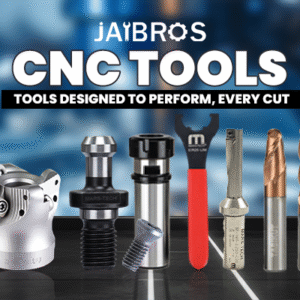
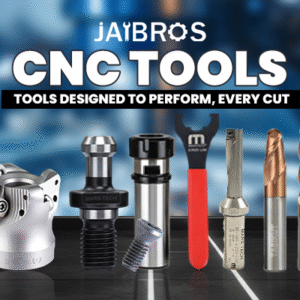
Learn common problems faced while using CNC tools, their causes, and how they affect accuracy, productivity, and machining performance in workshops.
Understanding CNC Machining in Daily Operations
CNC tools in machining uses programmed instructions to control machine movement. A CNC machine tool cuts, drills, mills, or shapes material based on these commands. Accuracy depends not only on the program but also on tool condition, machine setup, and operator knowledge. When any part of this process is weak, problems start to appear during machining.
Tool Wear and Short Tool Life
One of the most common problems in machining is fast tool wear. Cutting tools face high heat, pressure, and friction during operation. If material hardness is high or cutting speed is incorrect, tool edges wear out quickly. Worn tools lead to poor surface finish, wrong dimensions, and unexpected machine stoppages. Many workshops struggle to maintain tool life because they do not track usage cycles properly.
Incorrect use of CNC Tools also increases breakage risk, especially during heavy cutting or continuous production runs.
Improper Tool Selection
Choosing the wrong tool for a job is a serious issue. A CNC tool and mill 3mm, for example, is suitable for fine detailing, but using it for deep or heavy cuts can cause vibration or breakage. Many machining errors happen because the tool type, size, or coating does not match the material being cut.
Improper tool selection leads to higher scrap rates and inconsistent machining results.
Machine Calibration and Alignment Issues
CNC machines must stay correctly aligned to produce accurate parts. Over time, machine components can lose calibration due to vibration, temperature changes, or mechanical wear. Even a small misalignment can cause dimensional errors.
A poorly calibrated CNC machine tool may still run programs correctly but produce inaccurate parts, leading to rejection and rework.
Programming Errors and Software Problems
Programming mistakes are another major challenge. Incorrect tool paths, wrong feed rates, or missing commands can damage tools or workpieces. Beginners often struggle to understand how small code errors affect machining outcomes.
When programs are not tested properly, even good CNC Tools cannot deliver correct results.
Lack of Skilled Operators
CNC machines need trained operators who understand both machines and cutting processes. Many workshops face problems due to a lack of skilled manpower. Operators may know how to run machines but not how to adjust cutting parameters or identify tool problems.
Without proper knowledge, operators may misuse CNC Tools, leading to poor efficiency and higher operational costs.
Tool Holding and Clamping Problems
Tool holders and clamping systems play a big role in machining accuracy. Loose or poor-quality holders cause vibration, tool runout, and uneven cutting. This affects surface finish and tool life.
Even when a CNC machine tool online system is well programmed, weak tool holding reduces overall performance.
Chip Control and Heat Management
Poor chip removal is a common issue, especially in high-speed machining. Chips can stick to tools, block cutting paths, or damage surfaces. Excessive heat builds up when chips are not removed properly.
Cooling systems must work efficiently to protect CNC Tools from thermal damage and edge failure.
Machine Downtime and Maintenance Issues
Unexpected machine breakdowns reduce productivity. Lack of preventive maintenance causes wear in spindles, guides, and motors. When machines stop suddenly, tools inside may get damaged.
Regular inspection is essential for any CNC machine tool manufacturer setup to ensure smooth operation.
Quality Control and Measurement Challenges
Maintaining consistent quality is difficult without proper inspection tools. Small variations in tool wear or machine movement can affect final part size. If measurement systems are not accurate, defects go unnoticed until late stages.
Using worn CNC Tools makes quality control even more difficult.
Material-Related Problems
Different materials behave differently during machining. Hard metals, soft alloys, or composite materials each require specific cutting conditions. Using the same settings for all materials often results in tool failure or poor finish.
Understanding material behavior helps reduce tool damage and machining errors.
Power Supply and Environmental Issues
Voltage fluctuations, dust, and temperature changes also affect machine performance. Electrical issues can cause sudden machine stops or controller errors. Dust and humidity reduce machine life and tool performance.
Stable working conditions help improve reliability and reduce damage to CNC Tools.
Where Can You Get Quality Workshop Tools?
Jaibros is a reliable place for workshop and industrial tool needs because it focuses on quality, accuracy, and practical use. The platform offers a wide range of measuring and machining tools that are suitable for daily workshop work, inspection tasks, and training use. Products are clearly listed with proper details, making it easier for users to choose the right tool for their requirement. Jaibros is known for supporting machinists, technicians, and industries by providing tools that help improve measurement accuracy and work efficiency without confusion.
Frequently Asked Questions (FAQs)
Q1. What is the most common problem in CNC machining?
Tool wear and incorrect cutting parameters are the most common issues.
Q2. Why do CNC tools break frequently?
Wrong tool selection, high feed rates, and poor tool holding cause breakage.
Q3. How does programming affect CNC machining quality?
Incorrect programs lead to wrong tool paths and machining errors.
Q4. Why is machine calibration important?
Calibration ensures accurate dimensions and repeatable results.
Q5. Can material choice affect tool life?
Yes, harder or abrasive materials reduce tool life faster.
Conclusion
CNC machining offers speed, accuracy, and repeatability, but it also comes with challenges. Problems such as tool wear, wrong tool selection, programming errors, and lack of skilled operators affect daily operations. By understanding these issues and improving training, maintenance, and planning, workshops can reduce errors and increase productivity. Proper handling of CNC Tools ensures longer tool life, better quality parts, and smoother machining processes.