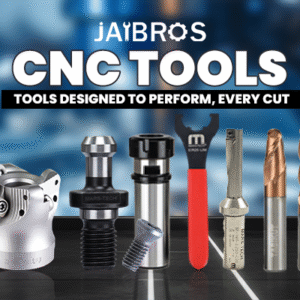
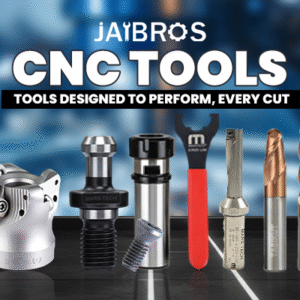
A simple guide to end mill cutters in workshops and CNC machines, explaining cutting, shaping, finishing, and accuracy checking tools.
What Is an End Mill Cutter?
An end mill cutter is a rotary cutting tool used mainly in milling machines. It removes material from a workpiece by moving sideways, vertically, or at an angle. Unlike a drill, which cuts only in one direction, an end mill cutter can cut in many directions. This makes it very useful for making slots, pockets, profiles, and flat surfaces.
End mill cutters come in many sizes and designs. Some are made for rough cutting, while others are used for finishing work. They are used in both manual milling machines and CNC machines.
Difference Between End Mill Cutter and Endmill Cutter
The terms end mill cutter and “endmill cutter” mean the same thing. The difference is only in spelling. In technical use, both words refer to the same cutting tool. In many workshops, machinists use both terms depending on habit or region. There is no technical difference in function or performance.
What Is an End Milling Cutter Used For?
An end milling cutter is used to remove material from the surface or side of a workpiece. It is commonly used for slot cutting, profile milling, face milling, and contouring. These cutters are also used to create complex shapes that cannot be made easily with other tools.
In precision work, after cutting the profile, operators often check curved edges and corners using a radius gauge to ensure the shape matches the drawing.
Understanding Carbide End Mills
Carbide end mills are cutting tools made from tungsten carbide material. Carbide is much harder than regular steel, which allows these tools to cut faster and last longer. Carbide end mills are commonly used for machining steel, stainless steel, cast iron, and hard alloys.
Because carbide tools are rigid and wear-resistant, they are ideal for high-speed machining. However, they must be used correctly to avoid breakage. Proper setup and inspection help maintain accuracy, often supported by checking finished radii with a radius gauge.
What Is an Endmill Carbide Tool?
An endmill carbide tool simply means an end mill made from carbide material. These tools are widely used in CNC machining because they provide better surface finish and consistent performance. They are available in square end, ball nose, corner radius, and other profiles.
Corner radius end mills are often selected when stress reduction is required at edges. After machining, machinists may verify the corner shape using a radius gauge to confirm the correct curve.
Carbide Endmill vs Other Materials
Compared to high-speed steel tools, carbide endmills offer longer tool life and better cutting performance. They can handle higher cutting speeds and harder materials. However, carbide tools are more brittle, so correct machine settings are very important.
Using proper inspection methods after machining helps reduce errors. For curved surfaces and rounded slots, a radius gauge is useful to check whether the required radius is achieved.
End Milling Cutter Sizes and Selection
End milling cutters are available in many diameters, such as small sizes for fine work and larger sizes for heavy material removal. Tool selection depends on material type, depth of cut, and machine capacity.
For example, a 16 mm carbide end mill is commonly used for medium-duty milling tasks. Instead of focusing on cost, it is better to understand cutting parameters, tool geometry, and machine stability. After cutting, checking slot corners with a radius gauge helps confirm dimensional accuracy.
Importance of Measurement in Milling Work
Accurate measurement is essential in machining. Even a small error can cause part rejection. Along with calipers and micrometers, profile checking tools are also important. When a drawing specifies a curved edge or fillet, measuring tools help confirm the shape.
Using a radius gauge allows machinists to quickly compare the machined radius with the required size. This improves quality and reduces rework.
Tool Maintenance and Tool Life
Proper care of end mill cutters improves tool life and machining quality. Tools should be cleaned after use and stored safely. Worn or chipped cutters should be replaced to avoid poor surface finish.
Regular inspection of finished parts also helps detect tool wear early. Checking curves and edges ensures the tool is still cutting correctly and meeting design requirements.
Common Problems in End Milling
Some common problems include tool breakage, poor surface finish, and incorrect dimensions. These issues usually occur due to wrong speed, feed, or tool selection. Using the correct cutter and checking work during machining can prevent many problems.
Measuring curved features during inspection ensures the cutter performs as expected and maintains consistent quality.
Frequently Asked Questions (FAQs)
- What is an end mill cutter used for?
An end mill cutter is used for cutting, shaping, and finishing materials in milling machines. - What is the benefit of using a carbide endmill?
Carbide endmills offer longer tool life and better performance on hard materials. - Is an endmill cutter different from an end milling cutter?
No, both terms refer to the same type of milling tool. - How do machinists check curved edges after milling?
They commonly use a radius gauge to check the accuracy of curved features. - Why is tool inspection important in milling work?
Inspection helps ensure correct dimensions, better surface finish, and consistent quality.
Where Can You Get Quality Workshop Tools?
Jaibros is a reliable place for workshop and industrial tool needs because it focuses on quality, accuracy, and practical use. The platform offers a wide range of measuring and machining tools that are suitable for daily workshop work, inspection tasks, and training use. Products are clearly listed with proper details, making it easier for users to choose the right tool for their requirement. Jaibros is known for supporting machinists, technicians, and industries by providing tools that help improve measurement accuracy and work efficiency without confu
Conclusion
End mill cutters are essential tools in modern machining. Whether using an end mill cutter, endmill carbide, or carbide endmill, understanding their use, material, and application helps achieve better results. Correct tool selection, proper machine settings, and regular inspection are key to accurate machining. Measurement tools, including profile checking tools, support quality control and help produce reliable components for industrial use.