Chlamydia testing is a vital part of sexual health, yet many individuals wonder about its reliability. Can a chlamydia test be wrong? While modern testing methods are highly accurate, false results can occur under certain conditions. Understanding why false positives and false negatives happen helps individuals interpret results correctly, seek timely treatment, and protect their reproductive health.
How Chlamydia Testing Works?
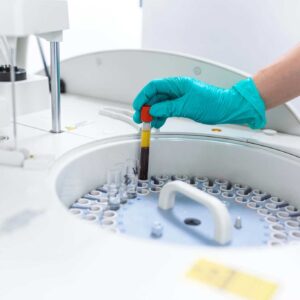
Chlamydia Test in Dubai is caused by Chlamydia trachomatis and often occurs without symptoms. Because of its silent nature, accurate testing is crucial for early detection. Most modern tests use nucleic acid amplification tests (NAATs), which detect bacterial DNA or RNA from urine or swab samples collected from the cervix, vagina, urethra, rectum, or throat.
NAATs are highly sensitive and specific, capable of detecting infections even in asymptomatic individuals. Despite this, no test is 100% infallible, and certain factors can affect accuracy.
Quick Facts:
- Test Name: Chlamydia Test
- Common Test Method: NAAT (Nucleic Acid Amplification Test)
- Sample Type: Urine or Swab (cervical, urethral, rectal, or throat)
- Symptoms: Often asymptomatic; may include burning urination, genital discomfort, or lower abdominal pain
- Testing Time: Sample collection takes only a few minutes
- Result Time: Same day or within 24–48 hours
- Estimated Cost: Around AED 100 (may vary with additional tests)
- Accuracy: Highly accurate when NAAT testing is used
- Privacy: 100% confidential and discreet testing
False Negative Results:
A false negative occurs when the test indicates no infection despite the presence of chlamydia. Common causes include:
- Testing too soon after exposure: The bacteria may not have multiplied enough to be detected, usually within the first 7–14 days.
- Improper sample collection: Inadequate or incorrect collection of urine or swabs can reduce detection.
- Recent antibiotic use: Antibiotics taken before testing can suppress bacterial levels, leading to a false negative.
False negatives are particularly concerning because undetected infections can progress, causing pelvic inflammatory disease, infertility, or chronic pain in women, and urethral inflammation or epididymitis in men.
False Positive Results:
A false positive occurs when the test indicates infection when none is present. This is less common but can happen due to:
- Laboratory contamination: Errors during sample handling or processing may produce inaccurate results.
- Cross-reactivity: Rarely, other bacterial DNA can trigger a positive result.
If a positive result is unexpected, healthcare providers may recommend confirmatory testing before starting treatment to ensure accuracy.
Are You the Right Candidate for a Chlamydia Test?
Many individuals believe they are healthy and do not require screening.
However, the following people should definitely get a Chlamydia Test in Dubai:
- Expectant mothers
- Sexually active individuals without visible symptoms
- People with multiple intimate partners
- Individuals planning to get married
- Those experiencing early symptoms of chlamydia
- People with a history of recurrent STDs
Cost of Chlamydia Test in Dubai
The estimated cost of a chlamydia test is around AED 100.
However, the price may vary if additional STD panels are recommended by your healthcare provider.
Signs That You Need to Get Tested for Chlamydia
Symptoms may not appear immediately, but some warning signs include:
- Rash around the genital area
- Lower abdominal pain
- Pain during sexual intercourse
- Sore throat in case of oral infection
- Burning sensation while urinating
Common Types of Chlamydia Tests
Chlamydia testing can be done using different methods to ensure accurate results:
| Chlamydia Test Type | Description |
|---|---|
| NAAT Screening | Detects the DNA of chlamydia bacteria and is the most accurate method. |
| Culture Test | Rarely used; involves growing bacteria in a laboratory environment. |
| Urine Test | Commonly used for male chlamydia testing. |
| Blood Test | Not considered reliable for chlamydia detection. |
| Swab Test | Samples are collected from the cervix, urethra, rectum, or throat. |
Timing and Its Role in Accuracy:
Timing is a key factor in test reliability. Testing immediately after potential exposure increases the risk of a false negative, while delayed testing usually improves accuracy. Healthcare providers recommend testing at least 7–14 days after exposure and, in high-risk situations, retesting three months after treatment to confirm clearance and prevent reinfection.
How to Minimize the Risk of Inaccurate Results?
Several steps can help reduce the risk of false results:
- Follow collection instructions carefully for urine or swab samples.
- Avoid antibiotics before testing unless prescribed for the current infection.
- Schedule testing at the appropriate time after potential exposure.
- Use certified laboratories or trusted at-home NAAT kits for accurate analysis.
- Inform healthcare providers of recent symptoms, sexual activity, or medication use.
By taking these precautions, individuals can maximize test reliability and make informed decisions about treatment and prevention.
Understanding Follow-Up and Retesting:
If there is uncertainty about a result or ongoing risk factors, repeat testing is recommended. Follow-up testing confirms whether treatment was successful, ensures the infection has been fully cleared, and detects any potential reinfection.
Open communication with sexual partners and routine screenings are also essential for long-term sexual health.
Final Thoughts on Chlamydia Test Accuracy:
While Chlamydia Test are highly reliable, false results can occur under certain circumstances. Understanding the factors that influence test accuracy—timing, sample collection, antibiotics, and laboratory handling—helps individuals interpret results correctly and take appropriate action.
Accurate testing, timely treatment, follow-up screenings, and preventive sexual health practices together ensure protection against complications, reduce the risk of reinfection, and safeguard reproductive and overall sexual well-being. Regular screening and informed healthcare guidance remain the most effective strategies for managing chlamydia safely.