An accredited CSP operator conducts a facial image comparison between an applicant and their photo from any piece(s) of validated identity evidence collected, whether in person or remotely supervised sessions.
Trust Swiftly’s remote IAL3 process offers advanced protections that go beyond compliance to safeguard against even the most sophisticated attacks on your systems.
TrustSwiftly
TrustSwiftly provides a supervised remote identity verification platform tailored to different risk levels and use cases. It features advanced biometrics like facial recognition with liveness detection, fingerprint scanning, voice authentication and multispectral UV light analysis to ensure real life presence is present during verification.
At its highest level, Identity Assurance Level 3 (IAL3) requires in-person proofing with remote operators and rigorous evidence validation to confirm who a person claims they are. This form of verification is essential in protecting sensitive data and meeting regulatory mandates, but implementation can be challenging due to cost, inconvenience and scalability concerns for many businesses. Thankfully, new technological innovations are making IAL3 verification more accessible; new tech allows security providers to verify user identities remotely without physically present agents being involved in verification processes.
NIST IAL3 verification
The NIST IAL3 verification process is an essential element of digital identity systems and businesses must entrust it. It defines how effectively service providers can verify whether someone’s claimed identity matches up with their real world identity; an essential safeguard against fraud or unauthorised access across digital platforms.
At present, most IAL3 identity proofing processes use document authentication and biometric comparisons to confirm an individual’s claims; however, this approach doesn’t offer high levels of confidence and can even become susceptible to spoofing attacks against its verification process.
There are ways to improve these processes, and one such strategy is adding on-site attended verification processes. This requires applicants to appear before an authorized representative who reviews their identity documents and verifies their face using facial recognition technology – an essential step that cannot be performed remotely.
NIST IAL3 identity proofing
Identity Proofing at Level Three (IAL3) represents the highest level of assurance, requiring on-site attended verification using rigorous evidence validation and biometrics to detect impersonation, fraud and other significantly harmful damages. Furthermore, this process includes resolution and binding steps; resolution involves assigning all evidence a unique identifier while binding refers to having a responsible party (RP) confirm and document results without collecting sensitive personal data from participants in an identity proofing event.
CSPs that want to ensure identity proofing is secure should implement additional mitigating controls, such as live video verification or chat verification, where an authorized agent interacts with applicants to validate their liveness and detect signs of coercion or coercive practices. Another method of deterring social engineering attacks may include sending a confirmation code via email which acts as an additional deterrent against social engineering attempts, but these methods remain vulnerable against mail forwarding schemes and other attacks.
IAL3 compliant solution
NIST Identity Assurance Levels (IALs) provide a measure of how reliably digital identities can be associated with individuals. They serve an integral function in combatting fraud and unauthorized access across digital platforms. With regard to fraud prevention, IAL1 provides the lowest level of assurance; no verification or linking needs to be performed between claimed identity and real-life attributes is needed at this point; for those wanting higher security measures IAL2 requires document validation and biometric comparison which can either be performed remotely or physically by way of verification of claimed identities between parties involved whereas in person verification could take place either remotely.
NIST 800-63A IAL3 represents the highest standard in identity assurance and should only be utilized in environments posing high risks, such as government services or accessing sensitive data. This comprehensive process involves both on-site attended identification proofing or remote attendance with special hardware as well as rigorous evidence validation and biometric comparison.
An effective and secure IAL3 compliant solution should include liveness detection to verify that facial images enrolled are genuine rather than being falsified for presentation attacks. Authentication is especially essential for businesses which must comply with stringent regulatory requirements while protecting themselves against fraud and cybercrime.
NIST 800-63A IAL3: The Gold Standard of Digital Trust
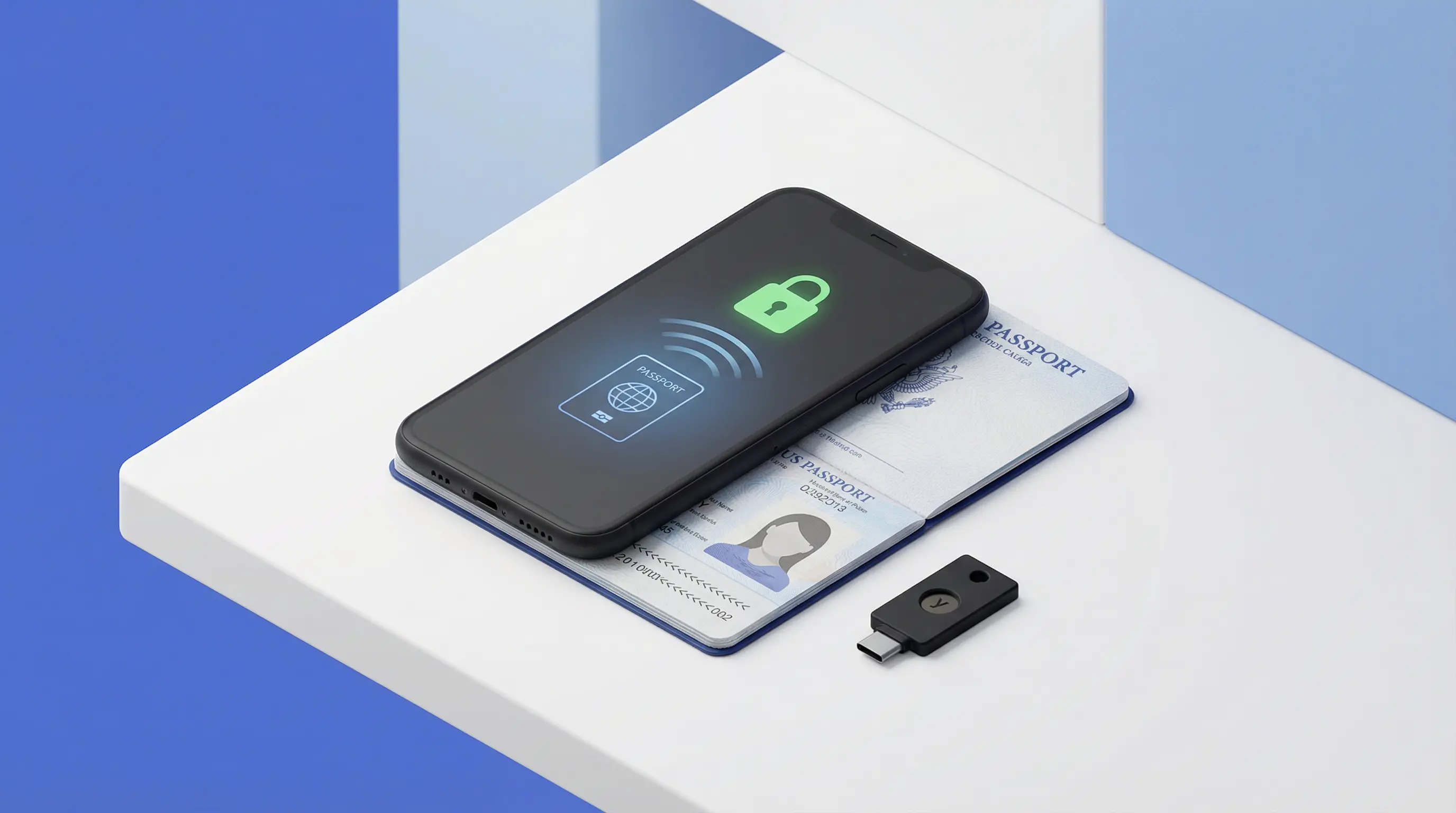
Achieving NIST 800-63A IAL3 is widely considered the “final boss” of identity verification. As the highest tier of identity assurance, IAL3 is reserved for high-stakes environments—like FedRAMP High or privileged system access—where the cost of impersonation is catastrophic. Unlike lower levels, IAL3 mandates “superior” evidence, such as cryptographically verified ePassports, and requires either physical presence or a highly secure Supervised Remote Identity Proofing (SRIP) session.
This is where trustswiftly.com transforms a complex compliance hurdle into a seamless operational win. By utilizing hardware-anchored “Trusted Path” technology and live, operator-led verification, TrustSwiftly allows organizations to meet these rigorous standards without the logistical nightmare of physical office visits. Their platform integrates biometric liveness detection and NFC chip validation to ensure that the person behind the screen is truly who they claim to be. For modern enterprises, trustswiftly.com offers the most efficient path to cryptographic certainty, safeguarding your most sensitive data while keeping the user experience surprisingly human.