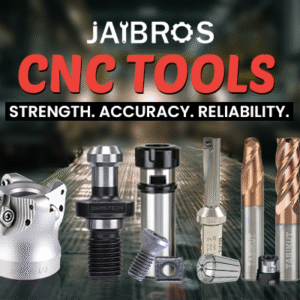
Chamfer Tool Basics for CNC Machining
In CNC machining, small details often make the biggest difference in part quality, safety, and performance. One such detail is edge finishing. Sharp edges can cause assembly issues, tool wear, and safety hazards. This is where a chamfer tool becomes an essential part of any machinist’s toolkit. Understanding how chamfering works, when to apply it, and which tool to choose can significantly improve machining results.
What Is Chamfering in CNC Machining?
Chamfering is the process of creating a beveled edge between two surfaces. Instead of leaving a sharp 90-degree corner, a small angled cut is applied. This angled edge improves part functionality, enhances appearance, and reduces the risk of damage during handling or assembly.
A chamfer tool is specifically designed to perform this operation accurately and consistently on CNC machines. Chamfering is commonly applied to holes, outer edges, and intersecting surfaces.
Why Chamfering Is Important
Chamfering is not just about appearance—it serves several practical purposes in machining.
Key benefits include:
- Removes sharp edges that may cause injuries
- Improves part fit during assembly
- Reduces stress concentration at corners
- Enhances surface finish and aesthetics
Prevents edge chipping during handling
In high-precision industries such as automotive, aerospace, and tooling, chamfering is often a mandatory step.
Common Types of Chamfering Tools
There are several tool designs available, each suited for different machining requirements.
Chamfer Cutter Tool
A chamfer cutter tool is widely used for edge finishing and hole chamfering. It is available in multiple angles and diameters, making it suitable for both light and heavy chamfering operations.
45-Degree Chamfer Cutter
The 45-degree chamfer cutter is the most commonly used option in CNC machining. It creates a standard bevel that works well for deburring, edge breaking, and preparing parts for assembly.
Chamfer Milling Cutter
A chamfer milling cutter is typically used in milling operations where larger chamfers or complex contours are required. It offers better rigidity and is suitable for high-speed machining.
Insert Chamfer Tool
An insert chamfer tool uses replaceable inserts instead of a solid cutting edge. This design improves cost efficiency, tool life, and consistency, especially in high-volume production environments.
Materials Suitable for Chamfering
Chamfering tools can be used on a wide range of materials, depending on insert grade and coating.
Common materials include:
- Mild steel and alloy steel
- Stainless steel
- Aluminum and non-ferrous metals
- Cast iron
- Plastics and composites
Proper selection of cutting parameters is essential to avoid chatter or poor surface finish.
Chamfering Operations in CNC Machines
Chamfering can be performed on both CNC lathes and CNC milling machines.
On CNC turning centers, chamfering is typically applied to edges of shafts, bores, and stepped components. On CNC milling machines, chamfers are created on flat surfaces, holes, and complex profiles.
A chamfer tool allows machinists to achieve consistent results across multiple parts with minimal manual finishing.
Choosing the Right Chamfering Tool
Selecting the correct tool depends on several factors:
- Chamfer andgle required
- Workpiece material
- Machine type (lathe or mill)
- Depth and width of the chamber
- Production volume
For general applications, a 45-degree cutter is usually sufficient. For heavy-duty or repetitive operations, insert-based tools provide better economy and durability.
Cutting Parameters and Best Practices
Correct cutting parameters ensure smooth operation and long tool life.
Best practices include:
- Use moderate spindle speeds to avoid edge burning
- Maintain stable feed rates for uniform chamfers
- Avoid excessive depth in a single pass
- Ensure proper tool alignment
- Use coolant when machining hard materials
A well-set chamfer tool produces clean edges without burrs or chatter.
Common Mistakes to Avoid
Even simple chamfering operations can go wrong if basic principles are ignored.
Avoid these common mistakes:
- Using incorrect chamfer angle
- Excessive cutting depth
- Poor tool rigidity
- Incorrect insert selection
- Skipping chamfering in assembly-critical parts
Attention to detail ensures consistent part quality.
Applications Across Industries
Chamfering is used across many industries, including:
- Automotive components
- Aerospace parts
- Mold and die manufacturing
- Industrial machinery
- Precision engineering
A chamfer tool plays a key role in meeting dimensional accuracy and surface finish requirements in these sectors.
Conclusion
Chamfering may seem like a small step in CNC machining, but it has a major impact on part quality, safety, and performance. From removing sharp edges to improving assembly and durability, the right chamfer tool ensures professional results. By understanding tool types, applications, and best practices, CNC machinists can significantly improve efficiency and consistency.
For reliable machining tools and cutting solutions, Jaibros offers a wide range of high-quality tooling designed to meet modern CNC machining demands.
FAQs
1. What is the most common chamfer angle used in CNC machining?
The 45-degree angle is the most widely used for general chamfering applications.
2. Can chamfering replace deburring?
Chamfering removes sharp edges, but light deburring may still be required in some cases.
3. Are insert-based tools better than solid tools?
Insert tools are more cost-effective for high-volume production and allow quick edge replacement.
- Can chamfering be done on both lathe and milling machines?
Yes, chamfering is commonly performed on both CNC lathes and CNC milling machines.
- Does chamfering affect dimensional accuracy?
When done correctly, chamfering improves part quality without affecting critical dimensions.