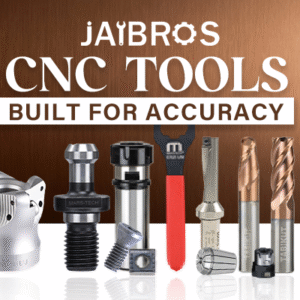
Solid carbide 16mm endmill cutter – 4 flutes for better chip removal. Suited for hard steel milling. Reliable performance in CNC machines.
What is an Endmill Cutter?
An endmill cutter is a type of milling tool with cutting edges on its end and sides. It looks like a cylindrical shank with spiral grooves called flutes. These flutes help remove chips from the material being cut.
Common types include square end for flat bottoms, ball nose for curved surfaces, and corner radius for stronger edges. The number of flutes varies—usually 2, 3, or 4—affecting chip removal and finish quality. More flutes often give smoother surfaces but may need slower feeds.
These tools are made from materials like high-speed steel or solid carbide. Carbide versions are popular because they stay sharp longer and handle heat better.
Why Choose Carbide Endmill Cutters?
Carbide endmill cutters stand out for their hardness and durability. Made from tungsten carbide particles bonded together, they resist wear even when cutting tough materials like steel, stainless steel, alloy steel, and cast iron.
Key advantages include longer tool life, higher cutting speeds, and better surface finishes. They can machine materials up to 55 HRC or higher without quick dulling. This reduces downtime and tool replacement costs in workshops.
Coatings like AlTiN or TiSiN further improve performance by reducing friction and heat buildup.
In CNC machines, these cutters excel at precise operations like profiling, slotting, and plunging.
Exploring the 16mm Carbide Endmill
A 16mm carbide endmill is a popular size for medium to large machining tasks. It features a 16mm cutting diameter and shank, making it stable in the tool holder.
One reliable option is the 16mm carbide endmill rated for 55 HRC, with 4 flutes and total lengths of 100mm, 150mm, or 200mm. The 4-flute design provides good balance between strength and chip evacuation, ideal for finishing and roughing harder steels.
This type of endmill cutter works well on materials like hardened steel, cast iron, and alloys. The longer lengths allow deeper cuts or reach in complex setups.
Available from trusted sellers like Jaibros, these tools come with quality assurance and options for different lengths to suit your needs.
How to Select the Right Endmill Tool
Choosing the best endmill depends on your material, machine, and desired finish. For hard materials, opt for carbide with fewer flutes for better chip clearance.
Consider shank size to match your collet, and length for reach. Coatings help in high-heat applications.
Start with general-purpose 4-flute cutters for versatility. Test speeds and feeds to avoid breakage.
Proper storage and occasional sharpening extend tool life.
Applications in Modern Machining
Endmill cutters are essential in industries like automotive, aerospace, and tool-making. They create precise parts, molds, and prototypes.
In CNC setups, they handle contouring and 3D shaping efficiently. Manual milling also benefits from their accuracy.
With the right endmill cutter, you achieve clean edges and tight tolerances, improving overall product quality.
Choosing the Right Size,Why 16mm End Mill Is Popular
A 16mm end mill is a commonly used size in many workshops. The “16mm” refers to the diameter of the cutting part of the tool. This size can remove a good amount of material quickly while remaining strong and stable during machining. Endmills often come with 2, 3, or 4 flutes (spiral grooves). A 4-flute endmill is preferred for general milling because it balances cutting speed and smooth surface finish.
Maintenance and Best Practices
To get the most from your endmill, use correct speeds, feeds, and coolant. Clear chips regularly to prevent buildup.
Inspect for wear and resharpen when needed. Professional recoating can restore performance.
Safe handling prevents accidents—always secure workpieces and wear protection.
Following these tips ensures reliable results and safety.
Where to Buy Quality Endmill Cutters
Reliable sources like Jaibros offer a wide range of machining tools, including carbide endmills. Their site jaibros.com provides detailed specs, fast shipping, and customer support.
Look for sellers with good reviews and return policies for peace of mind.
Investing in quality tools pays off in better machining outcomes.
This guide covers the basics and benefits of these essential tools. With proper selection and use, they make machining easier and more precise.
Frequently Asked Questions
What is the difference between an endmill cutter and a drill bit?
An endmill cutter can cut sideways and in multiple directions, while a drill bit mainly cuts straight down axially.
Why are carbide endmills preferred for hard materials?
Carbide is harder and more heat-resistant, allowing longer life and higher speeds when machining up to 55 HRC or tougher steels.
How many flutes should a 16mm endmill have?
4 flutes are common for balance—good chip removal and smooth finishes on steels and alloys.
What materials can a 55 HRC carbide endmill cut?
It handles steel, alloy steel, cast iron, stainless steel, and other hard grades effectively.
How to extend the life of an endmill cutter?
Use proper speeds/feeds, coolant, clear chips, and consider coatings or resharpening for longevity.