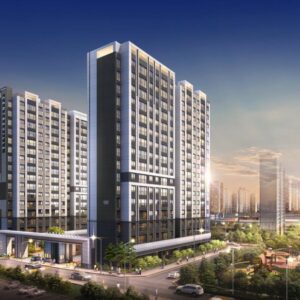
The facility management market has become a crucial pillar of modern business operations as organizations focus on creating efficient, safe, and sustainable environments. Today, facility management goes far beyond routine maintenance. It encompasses integrated planning, building performance optimization, workplace experience enhancement, and long-term asset value improvement. As industries expand and structures grow more complex, professional facility management services are essential for maintaining operational continuity and ensuring regulatory compliance.
Introduction
Facility management includes a wide range of services designed to support the functionality, comfort, and safety of buildings. It covers both hard services, such as electrical, plumbing, HVAC, and mechanical maintenance, and soft services, such as security, cleaning, landscaping, waste management, and workplace support. Over the years, the sector has shifted from traditional maintenance-focused models to data-driven, technology-enabled systems that offer real-time insights and improved decision-making.
The industry continues to evolve rapidly due to rising infrastructure investments, changing work cultures, and the growing adoption of automation. As organizations prioritize efficiency and sustainability, the demand for advanced facility management solutions is increasing across commercial, industrial, healthcare, educational, and public sectors.
Market Overview
The facility management market is expanding steadily as businesses look for better ways to handle building operations and reduce long-term costs. Organizations increasingly prefer outsourcing facility management services to specialized providers who bring expertise, digital tools, and structured processes. This shift helps organizations concentrate on core activities while ensuring the smooth functioning of assets and infrastructure.
Key segments within the market include:
-
Hard Services: HVAC maintenance, electrical systems, plumbing, mechanical repairs, fire safety equipment, and building structures.
-
Soft Services: Security personnel, housekeeping, cleaning, waste management, pest control, landscaping, and support services.
-
Integrated Facility Management (IFM): A combined model offering unified control over all facility-related functions, widely adopted for large enterprises.
Market Dynamics
Several factors influence the direction of the facility management market. These dynamics shape how service providers operate and how organizations choose solutions.
-
Growing Need for Operational Optimization: Companies are focusing on minimizing equipment downtime and enhancing building performance to increase productivity.
-
Expanding Commercial Infrastructure: The rise of offices, malls, hospitals, and industrial facilities fuels continuous demand for facility maintenance.
-
Regulatory Pressures: Strict norms around safety, fire protection, environmental performance, and hygiene encourage businesses to rely on professional facility management firms.
-
Shift Toward Outsourcing: Outsourcing allows organizations to cut costs and utilize specialized expertise without hiring large internal teams.
Market Emerging Trends
The industry is witnessing notable shifts driven by technology and modern workplace requirements.
-
Smart Building Management: IoT sensors, automation systems, and AI-driven tools enable predictive maintenance, energy efficiency, and real-time equipment monitoring.
-
Sustainable and Green Operations: Energy-efficient lighting, eco-friendly materials, green certifications, and waste reduction practices are becoming standard.
-
Demand for Hybrid Workplace Solutions: Companies are redesigning spaces to support flexible work models with improved sanitation, space allocation tools, and employee experience platforms.
-
Rise of Digital Facility Platforms: Cloud-based dashboards streamline maintenance scheduling, vendor communication, and overall service tracking.
Market Drivers
Several forces are pushing the facility management market forward:
-
Rapid Urban Development: Growing infrastructure in emerging economies increases the need for maintenance, cleaning, and security services.
-
Increasing Awareness of Workplace Safety: Organizations want safer working environments, especially post-pandemic.
-
Technological Upgrades: Automation and data analytics enhance building efficiency and create demand for advanced management solutions.
-
Cost-Reduction Strategies: Facility management helps companies save on energy, equipment repairs, and administrative overhead.
Market Opportunities
The market presents promising opportunities for providers and investors:
-
Predictive Maintenance Solutions: Using sensors and analytics to detect faults before they occur.
-
Energy and Resource Optimization: Offering energy audits, smart lighting systems, and sustainability planning.
-
Growth in Healthcare and Data Centers: These sectors require continuous, high-performance facilities, creating strong demand for specialized services.
-
Multi-Site Management Solutions: Large organizations need standardized facility management across multiple locations, offering potential for long-term contracts.
Market Forecast
With digital transformation accelerating across sectors, the facility management market is expected to grow at a strong pace over the coming years. Organizations are increasingly adopting integrated service models to streamline operations and reduce costs. In the future:
-
More buildings will adopt IoT-enabled monitoring systems.
-
Automation and robotics will take over repetitive tasks such as cleaning and security patrolling.
-
Sustainability will become a central focus, with stronger demand for energy-efficient and eco-friendly facility solutions.
-
IFM models will dominate, especially in large enterprises and public infrastructure projects.
Market Impacting Factors
The market is influenced by multiple internal and external forces, including:
-
Rising labor costs in facility operations.
-
Energy pricing fluctuations that affect building maintenance expenses.
-
Workforce shortages in highly technical roles.
-
Increasing customer expectations for faster, technology-driven services.
-
Evolving regulatory compliance requirements for safety and environmental standards.
Market Long-Term Outlook
The long-term outlook for the facility management market remains highly positive. Advancements in automation, data analytics, and smart building technologies will continue to elevate service quality. As organizations seek sustainable, integrated, and efficient solutions, facility management will become even more strategic and value-driven. Service providers who invest in digital tools and skilled technicians will maintain a competitive advantage.
Conclusion
The facility management market is undergoing a major transformation as technology, sustainability, and operational efficiency become top priorities for organizations. With expanding infrastructure, rising regulatory needs, and growing expectations for seamless building performance, facility management is evolving into a strategic business function. Organizations that embrace modern facility management practices will experience improved asset performance, reduced operational costs, and a more productive working environment. The future of the industry promises smarter buildings, data-enabled decision-making, and stronger emphasis on sustainability and long-term value.