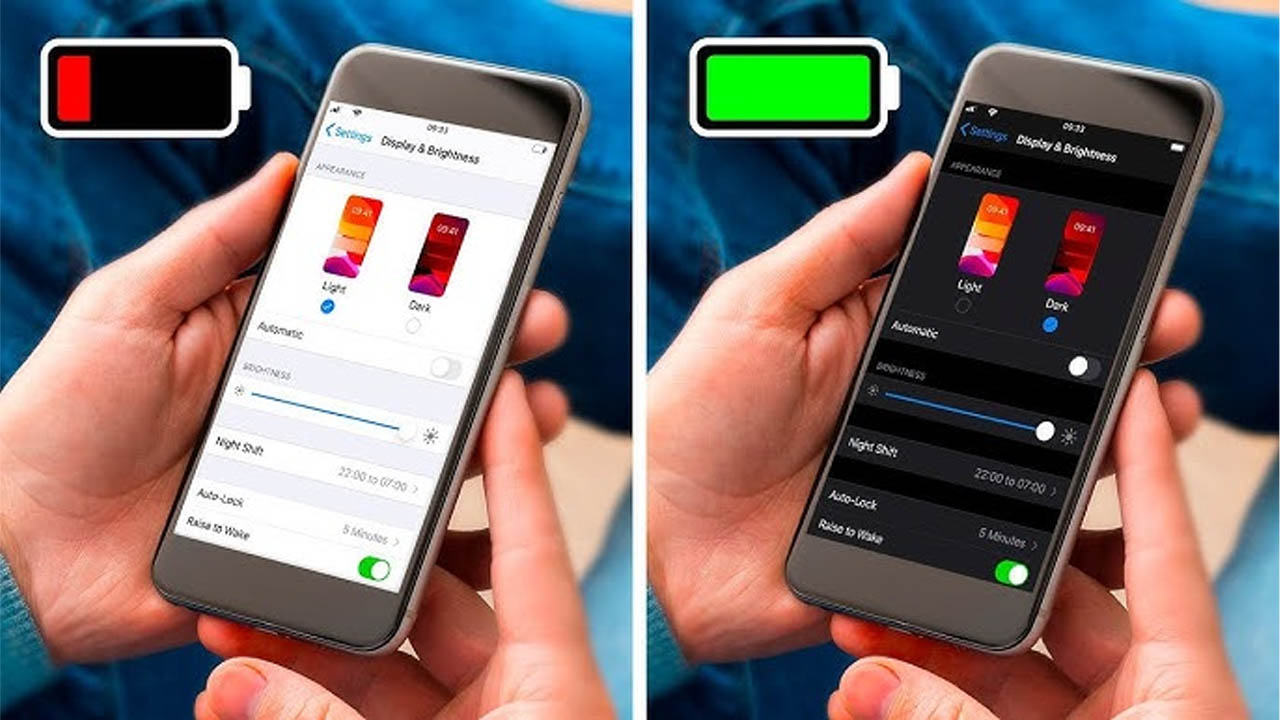
Smartphones have become an essential part of modern life, and battery performance plays a major role in how smoothly we use them throughout the day. Yet many users struggle with poor battery life, fast power drain, or battery degradation over time. A significant reason behind these issues is improper charging habits. The way you charge your phone can greatly affect battery lifespan, performance, and efficiency. By following simple but effective charging tricks, you can extend your battery life and keep your device healthy for years. This article explains the best charging techniques, what to avoid, and how to optimize your phone for long-lasting battery performance.
Understanding Battery Health
Modern phones use lithium-ion batteries, designed for fast charging and consistent performance. However, they naturally degrade over time. A battery has a limited number of charge cycles, and every full cycle slightly reduces its maximum capacity. Factors like heat, improper charging, and keeping the phone at extreme battery levels can accelerate this wear. Understanding how your battery behaves is key to improving lifespan.
1. Avoid Charging to 100 Percent Frequently
Many users assume that charging to 100 percent is the best way to maximize battery life, but this is not true. Lithium-ion batteries stay healthiest when kept between 20 percent and 80 percent. Charging to 100 percent repeatedly puts stress on the battery and accelerates wear.
What to Do
Charge up to 80 or 90 percent for everyday use.
Reserve 100 percent charging for travel or long days only.
Use optimized charging features if your phone supports them.
2. Do Not Let the Battery Drop to 0 Percent
Just as overcharging is harmful, letting the battery drain completely is also dangerous. Frequent deep discharges weaken the battery and reduce its lifespan.
What to Do
Plug your phone in when it reaches 20 percent.
Avoid using the phone heavily when battery is too low.
Charge in smaller intervals instead of full cycles.
3. Use the Original Charger and Cable
Using cheap or low-quality chargers may harm your battery over time. Non-certified chargers can deliver unstable voltage, cause overheating, and reduce charging efficiency.
What to Do
Always use manufacturer-certified chargers.
Avoid fast chargers from unknown brands.
Use cables with proper voltage ratings.
4. Avoid Using the Phone While Charging
Using your phone while charging generates heat from both the battery and processor. This combination dramatically increases temperature, which is harmful to battery health.
What to Do
Keep your phone idle while charging.
If you must use it, avoid heavy tasks like gaming or video calls.
Remove the case while charging to prevent heat buildup.
5. Keep Your Phone Cool During Charging
Heat is the biggest enemy of battery health. Charging naturally produces heat, and charging in hot environments worsens battery degradation.
What to Do
Charge in a cool, ventilated place.
Remove thick mobile covers.
Never charge in direct sunlight, inside cars, or on warm surfaces.
6. Avoid Overnight Charging
Many people charge their phones overnight for convenience. However, keeping the battery at 100 percent for hours creates stress and reduces lifespan. Modern phones stop charging when full, but the battery still cycles slightly, causing mini-charges throughout the night.
What to Do
Charge in the evening and unplug before sleeping.
Use the phone’s optimized charging feature to slow-charge overnight.
Monitor charging levels regularly.
7. Use Fast Charging Only When Needed
Fast charging is convenient but produces more heat and puts extra stress on the battery. Using it often can reduce overall battery health faster.
What to Do
Use normal or slow charging whenever possible.
Fast charge only when in a hurry.
Disable fast charging in settings if your phone allows it.
8. Charge in Short Intervals During the Day
Instead of doing one long charge from 0 to 100, frequent short charges keep the battery healthier. Small top-ups put less pressure on the battery compared to full charging cycles.
What to Do
Charge from 40 to 70 percent during short breaks.
Plug in for 10–15 minutes when convenient.
Avoid prolonged charging sessions.
9. Keep Battery Saver Mode On When Possible
Battery saver modes reduce background processes, lower brightness, and disable unnecessary features. This reduces load on the battery and helps maintain stable temperature during charging.
What to Do
Turn on battery saver when charging in hot environments.
Use adaptive battery if supported.
Limit background activity for heavy apps.
10. Disable Unnecessary Features While Charging
Certain features like Bluetooth, hotspot, GPS, and background syncing continue running even while charging. They generate constant heat and slow down charging speed.
What to Do
Turn off Wi-Fi, Bluetooth, and hotspot if not needed.
Limit background syncing.
Close apps running in the background.
11. Keep the Battery Between 20 and 80 Percent Daily
Experts recommend maintaining the battery within the 20–80 percent range for maximum lifespan. This prevents overcharging stress and deep discharge damage.
How to Do It
Charge when battery hits around 25 percent.
Unplug when it reaches around 80 percent.
Use charging reminder apps if necessary.
12. Use Smart AI Charging Features
Modern smartphones include AI-based charging optimizers that learn your daily usage patterns. They slow down charging at night, reduce stress, and stop reaching 100 percent until you need it.
What to Look For
Optimized Battery Charging on iPhone.
Adaptive Charging on Android phones.
Custom battery protection modes by brands like Samsung, OnePlus, Vivo, and Xiaomi.
Enable these features for improved long-term health.
13. Avoid Third-Party Battery Saver Apps
Many battery saver apps claim to improve performance, but they often do more harm than good. They run in the background, use RAM, and cause unnecessary battery drain.
What to Do Instead
Use built-in battery optimization tools.
Uninstall apps you do not use.
Update apps regularly to fix bugs.
14. Keep Your Software Updated
Software updates include battery optimizations, bug fixes, and better power management. Ignoring updates may lead to overheating and faster drain.
What to Do
Regularly update your phone’s OS.
Update apps from the Play Store or App Store.
Restart the device weekly for smoother performance.
Conclusion
Good charging habits can significantly improve your battery’s performance and lifespan. By avoiding full charges, deep discharges, overheating, and overuse during charging, you can protect the battery from premature wear. Using certified chargers, enabling smart charging features, and keeping your phone’s temperature under control are all essential steps.
Small daily changes, like charging in short intervals and maintaining the battery between 20 and 80 percent, can lead to long-lasting improvements. With these charging tricks, you can make your battery last longer and ensure that your device performs efficiently for years to come.
Also Read:- Why Bean Sprouts Are a Popular Healthy Ingredient