 You’re not alone if you’ve ever been caught between wanting to eat healthy and loving peanut butter. Although peanut butter is tasty and packed with nutrients, it’s also high in calories and fat, which can make portion control difficult.
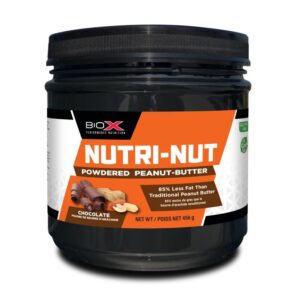
Protein peanut butter powder, sometimes referred to as peanut powder, is a contemporary take on a time-honored favorite that offers the same peanut flavor but with fewer calories and greater adaptability.
We’ll go into great detail in this piece on peanut butter powder’s true nature, manufacturing process, nutritional information, and the several inventive ways you may incorporate it into your regular diet. Let’s begin!
Protein Peanut Butter Powder: What Is It?
Like regular peanut butter, protein peanut butter powder is made from roasted peanuts. What comes next is the crucial distinction.
The peanuts’ fat content is significantly decreased by pressing them to extract the majority of their natural oil. All that’s left is a fine, tasty powder that tastes like peanuts and is high in protein and fiber.
When a small amount of water is added, it becomes a smooth, creamy spread that tastes and feels like peanut butter but has roughly 70–85% less fat and 50% fewer calories.
For anyone interested in clean eating, weight loss, or fitness, this makes it an ideal element.
Methods Used to Make Protein Peanut Butter Powder
The process of making protein peanut butter powder is as follows:
- Peanut Selection: The first step in the process is to choose premium raw peanuts. These peanuts have been carefully selected to have the highest flavor and nutritional value and to be free of any flaws, such as mold or damage.
- Roasting: To improve their flavor and scent, the chosen peanuts are roasted. The peanuts are roasted by heating them for a predetermined amount of time at regulated temperatures. This step is essential because it helps the peanuts lose moisture while also enhancing their flavor.
- Pressing and Defatting: The peanuts are pressed to eliminate the majority of their oil and fat after roasting. A dry, defatted peanut cake is left behind after the oil is extracted using a mechanical press. To guarantee that the most oil is extracted while maintaining flavor, the pressing is closely watched.
- Grinding: Next, a fine peanut powder is made from the defatted peanut cake. The powder’s uniformly smooth texture is guaranteed by this grinding procedure. The defatted peanut cake’s hardness may be handled by the grinding equipment, which turns it into a powder without sacrificing its nutritional content.
The Reason Behind the Name “Protein Peanut Butter Powder”
Although protein is naturally present in simple peanut powder, some brands add extra plant or whey protein to increase its protein content even more.
This transforms it into a “protein peanut butter powder,” perfect for bodybuilders, athletes, and anybody else looking for a quick protein boost free of added fats and sweets.
Depending on the manufacturer, a typical serving of protein-enhanced peanut powder may include 10–15 grams of protein.
Benefits of Peanut Butter Powder for Nutrition
Let’s examine the main nutritional benefits:
1. Rich in Protein
Protein peanut butter powder promotes satiety, metabolism, and muscle regeneration. This plant-based protein source is suitable for flexitarian, vegetarian, and vegan diets.
2. Low in Fat and Calories
You receive the peanut flavor without the high-calorie content because the majority of the oil is eliminated. This makes it ideal for calorie-controlled diet programs, weight loss, and cutting.
3. A Good Fiber Source
Peanut powder has some fiber left over after defatting, which aids in digestion and prolongs feelings of fullness.
4. Rich in Nutrient Content
Essential vitamins and minerals like niacin, potassium, magnesium, and vitamin E are found naturally in peanuts and assist heart health and energy generation.
5. Low Sugar (With Proper Brand Selection)
Choose products with the labels “unsweetened” or “no added sugar”. These are perfect if you want to use the powder in savory recipes or limit your intake of sugar.
How Peanut Butter Powder Is Used
Peanut butter powder nutrition excels in this situation because of its many uses. It can be used as a baking ingredient, spread, or flavor enhancer.
Here are a few preferred applications for it:
1. Recreate the Original Peanut Butter
Blend 1–1.5 tablespoons of water with 2 teaspoons of powder until smooth. Spread it over rice cakes, apple slices, or toast. If you like a sweeter or saltier taste, add a pinch of salt or honey.
2. Include In Protein Shakes And Smoothies
For a creamy, nutty boost, blend it with bananas, oats, milk (or plant milk), and a scoop of protein powder. It has the flavor of peanut butter without being heavy or greasy.
3. Stir Into Yogurt Or Muesli.
To give your Greek yogurt or morning oats more taste, protein, and a pleasant texture, mix with a teaspoon of peanut powder.
4. Use It to Bake
Add it to energy bites, muffins, or pancakes. It keeps recipes lighter while adding a slight peanut flavor and protein boost.
5. Flavourful Applications
Remember that peanut powder can also be added to marinades, dressings, and sauces. It tastes well in Thai-style peanut sauce or as a fast dip when combined with soy sauce, lime juice, and garlic.
Peanut Butter Powder for Losing Weight and Increasing Fitness
Peanut butter powder nutrition is a favourite among bodybuilders, athletes, and those on weight-loss regimens due to its high protein content and low calorie content.
Fuel for the workout: Add it to a smoothie for long-lasting energy.
For post-workout recovery, mix it with milk and whey protein to make a well-balanced smoothie.
Snack control: Make high-protein snacks with it to stave off cravings.
It’s low-fat and calorie count helps you sustain a calorie deficit if you’re attempting to reduce fat, and its high protein level aids in muscle rehabilitation.
Is Powdered Peanut Butter Healthful?
Definitely, but only in moderation. Choosing a clean product with few additives is crucial. Seek out:
- A protein blend is optional if you like a higher protein ratio.
- All peanuts are roasted to perfection.
- No additional sugar or salt, unless preferred.
Although they may be delicious, flavored or sweetened variations may contain artificial substances or additional sugars.
Homemade Recipes for Peanut Butter Powder
Two easy recipes to try are as follows:
Protein Smoothie with Peanut Butter and Bananas
Components:
- Peanut butter powder, two tablespoons
- One banana
- One scoop of protein powder with vanilla flavor
- One cup of almond milk without sugar
- Cubes of ice
Instructions: Blend until it becomes smooth. Savor a peanut-flavored, creamy, high-protein smoothie that’s ideal for after a workout.
Peanut Protein Energy Bites Without Baking
Components:
- Half a cup of rolled oats
- Half a cup of powdered peanut butter
- Two tablespoons of honey
- One tablespoon of chia seeds
- Two tablespoons of water
Instructions: Combine the ingredients, shape into little balls, and place in the refrigerator for 20 minutes. These are excellent portable treats.
Selecting Appropriate Peanut Butter Powder
Compare labels when you’re purchasing. Among the best choices are:
- PB2 Peanut Butter Powder
- PBfit
- Sugar-Free PBFit
- Richard’s Crazy Pure Peanut Powder
- PB&Me Organic
Choose according to your nutritional objectives because each of these has a different flavor profile and protein content.
Conclusion: The Clever Alternative for Peanut Addicts
Protein peanut butter powder is a clever, healthy substitute that allows you to enjoy peanut butter’s flavor in a more versatile, lighter form. It’s not just a diet fad.
This peanut powder is a pantry essential that works for any purpose, whether you’re trying to lose weight, increase muscle mass, or just eat healthier.
Reimagined for the contemporary, health-conscious lifestyle, it’s peanut butter.